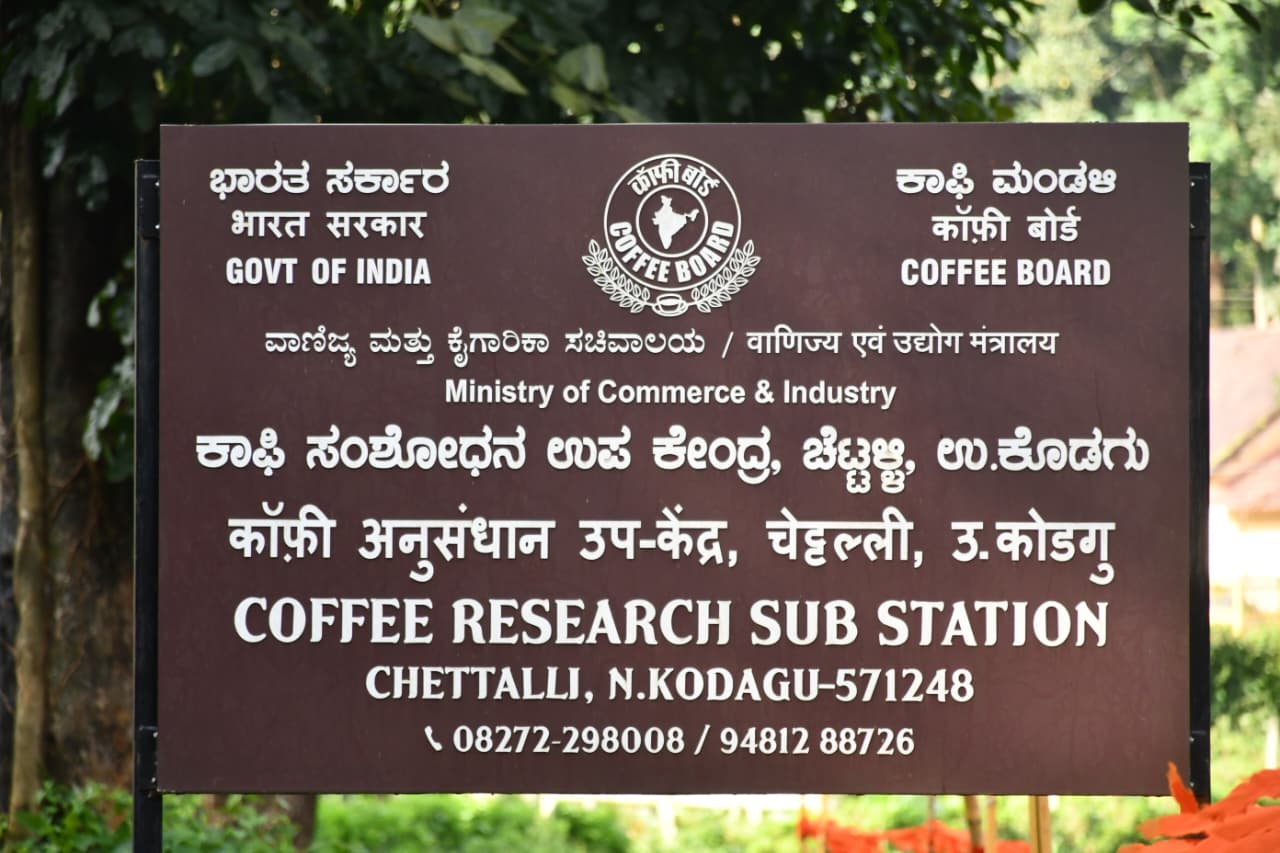
Coffee Research Sub Station (CRSS), Chettalli
About the Station
The Coffee Research Sub-Station (CRSS), Chettalli, was established in 1946 at Chettalli village in Kodagu district, Karnataka, India, one of the major coffee growing regions of the country. The Research Station has a total area of 120.86 hectares, of which approximately 102.56 hectares are under coffee cultivation and are utilized for conducting multidisciplinary research experiments aimed at promoting sustainable coffee production.
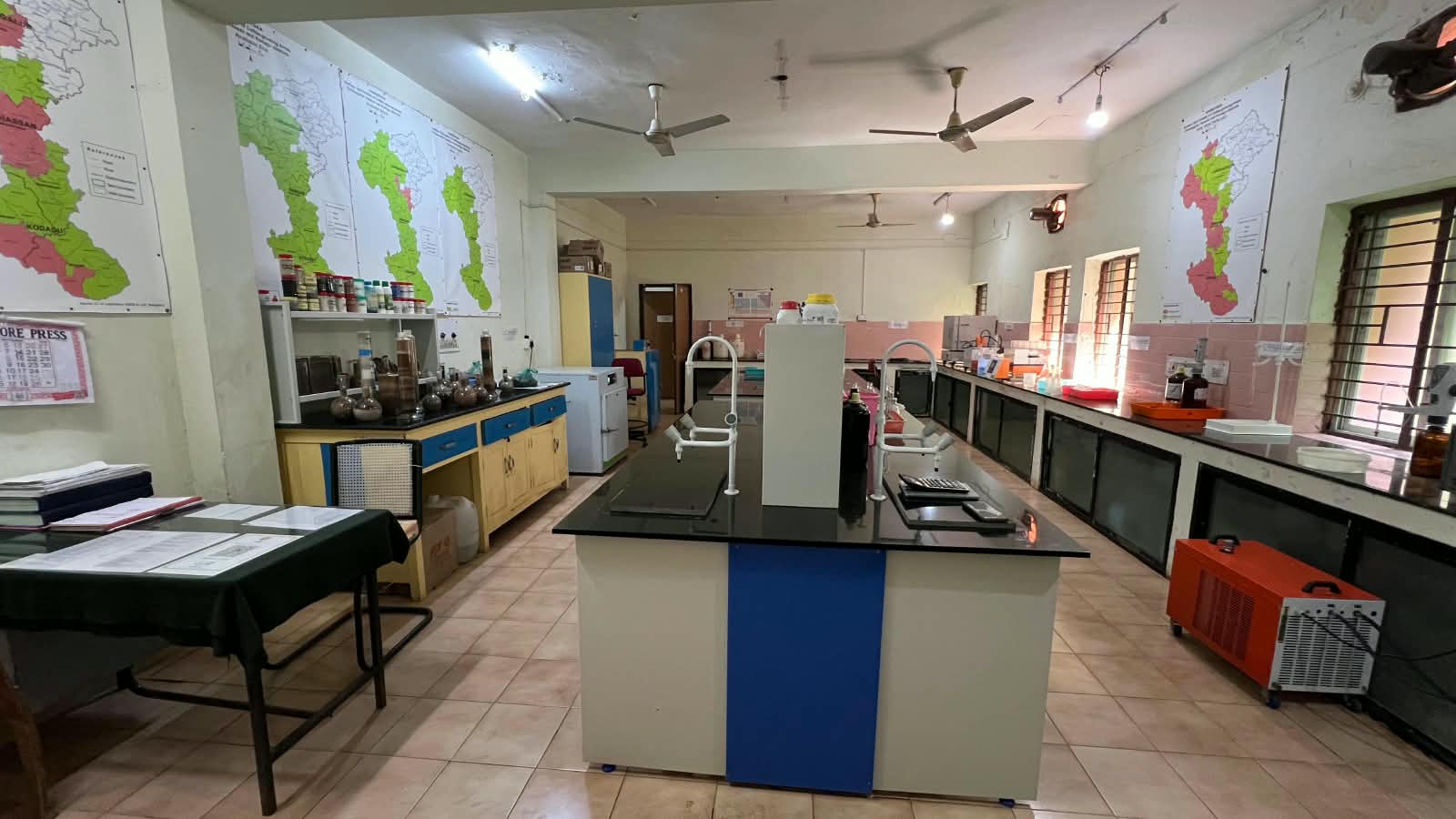
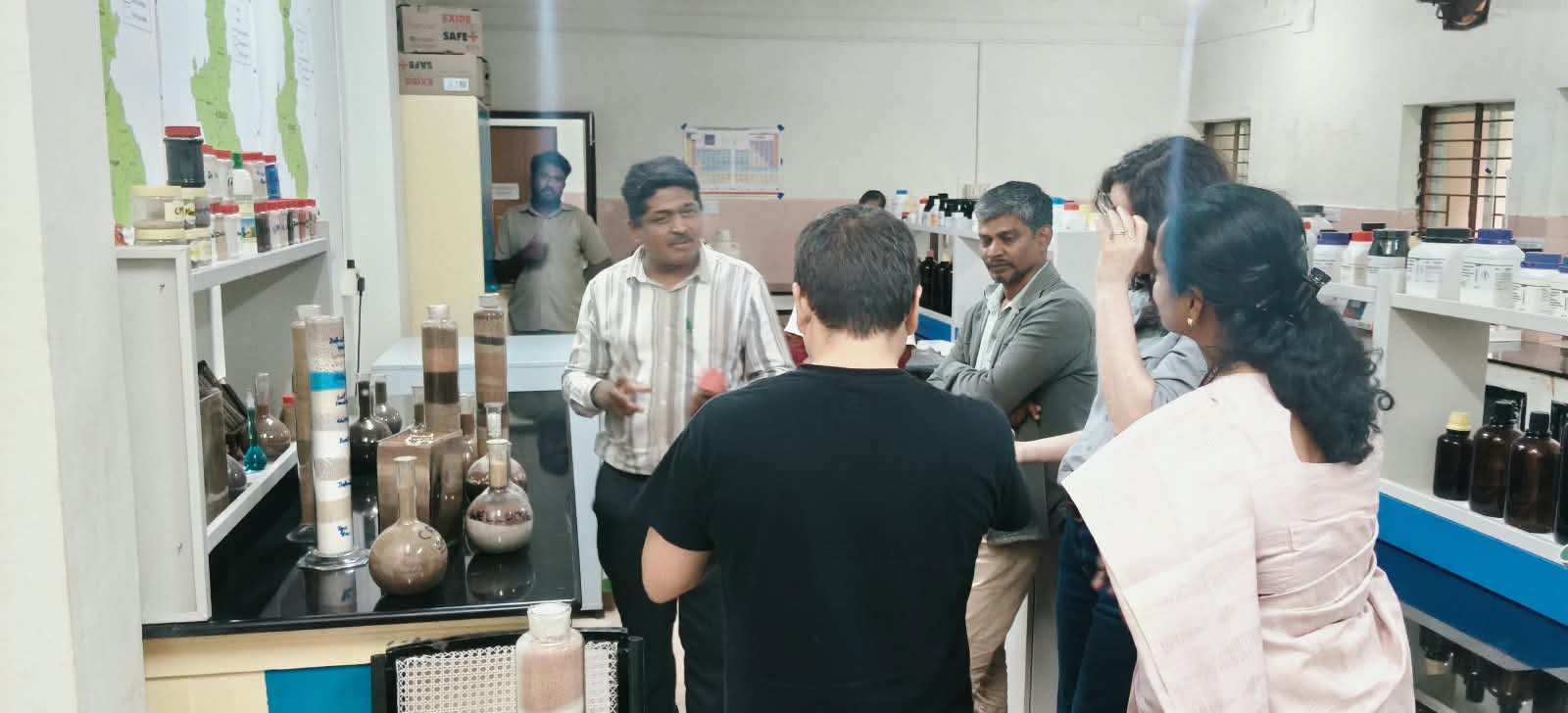
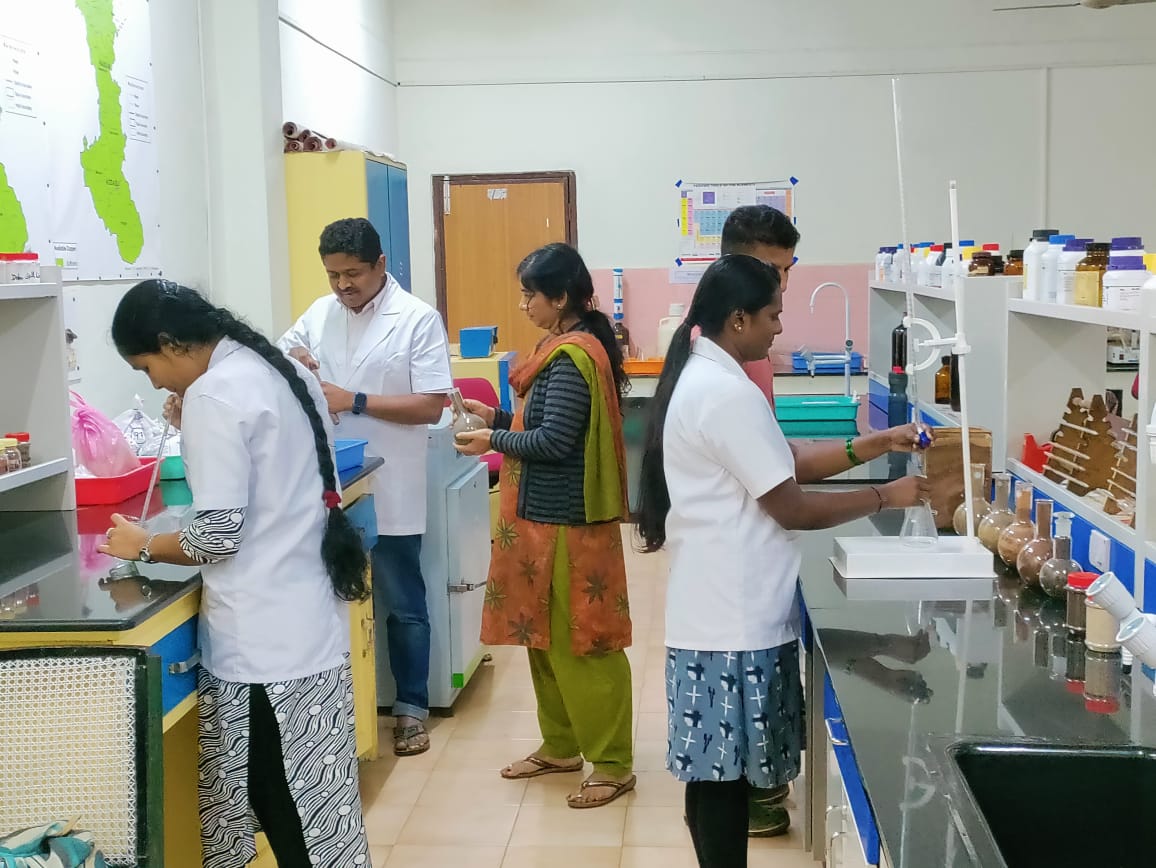
The Research Station is supported by experienced scientific and technical personnel, along with well-equipped laboratories and extensive on farm research facilities, enabling the implementation of research programmes across major disciplines of coffee research. The primary mandate of the Station is to undertake research and development for sustainable coffee cultivation and to disseminate scientific information and technologies to the coffee growing community through the strongly established extension network of the Coffee Board of India.

The major objectives and activities of the Research Station are as follows:
- Development, introduction, evaluation and conservation of improved genotypes of Coffea Arabica (Arabica), Coffea canephora (Robusta), and other commercially important coffee species, with emphasis on productivity, quality, adaptability and resistance to major pests and diseases.
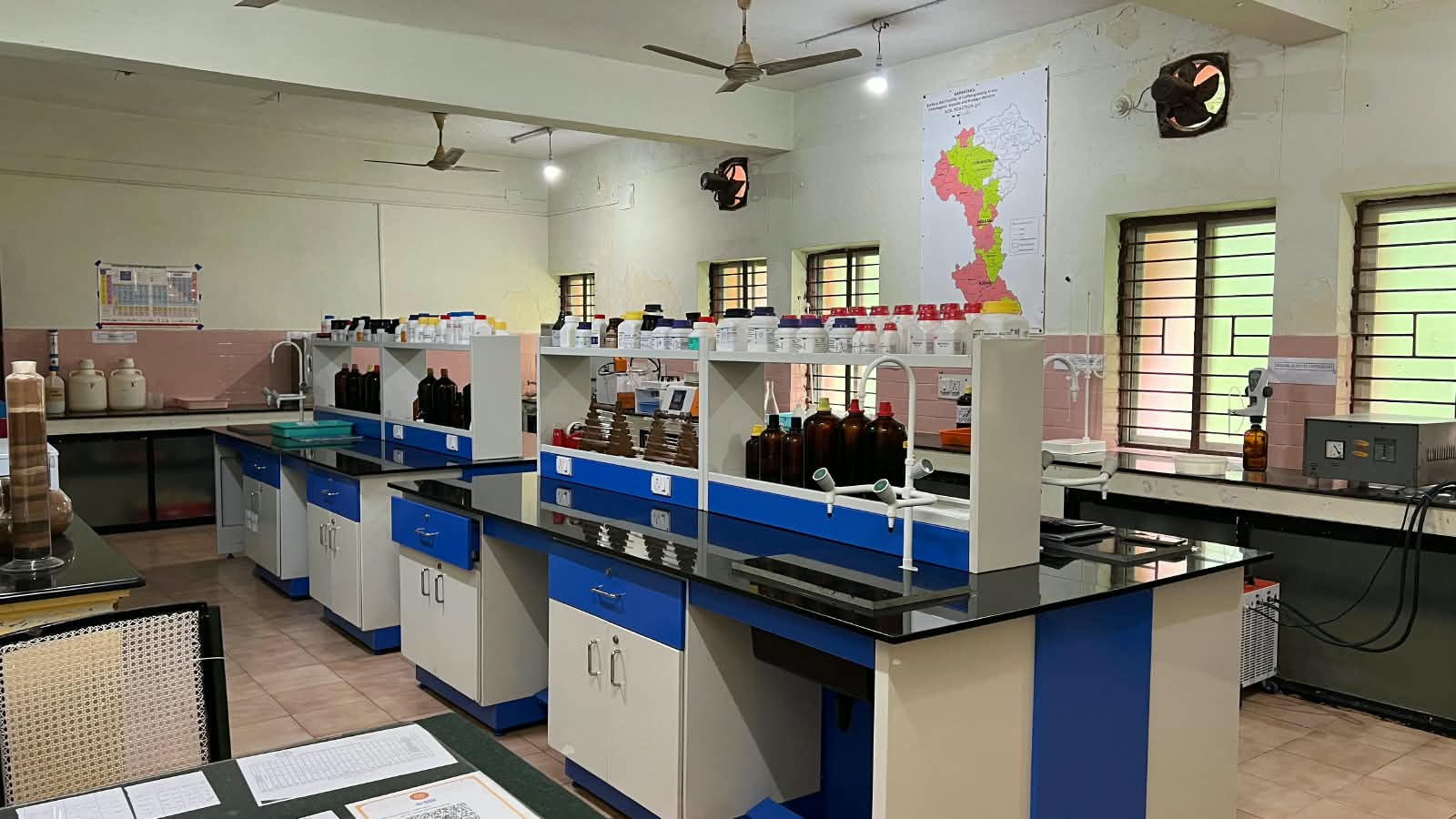
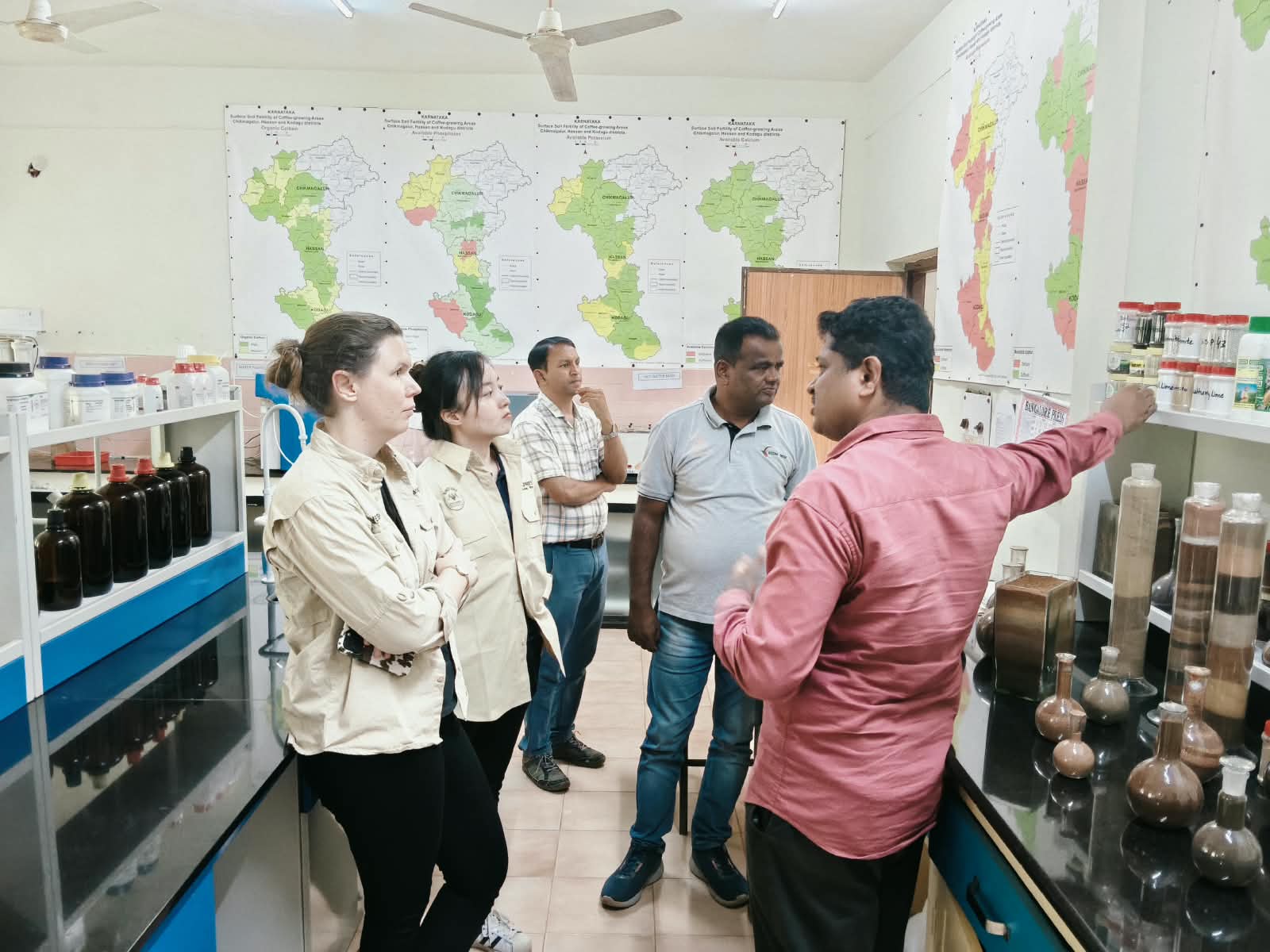
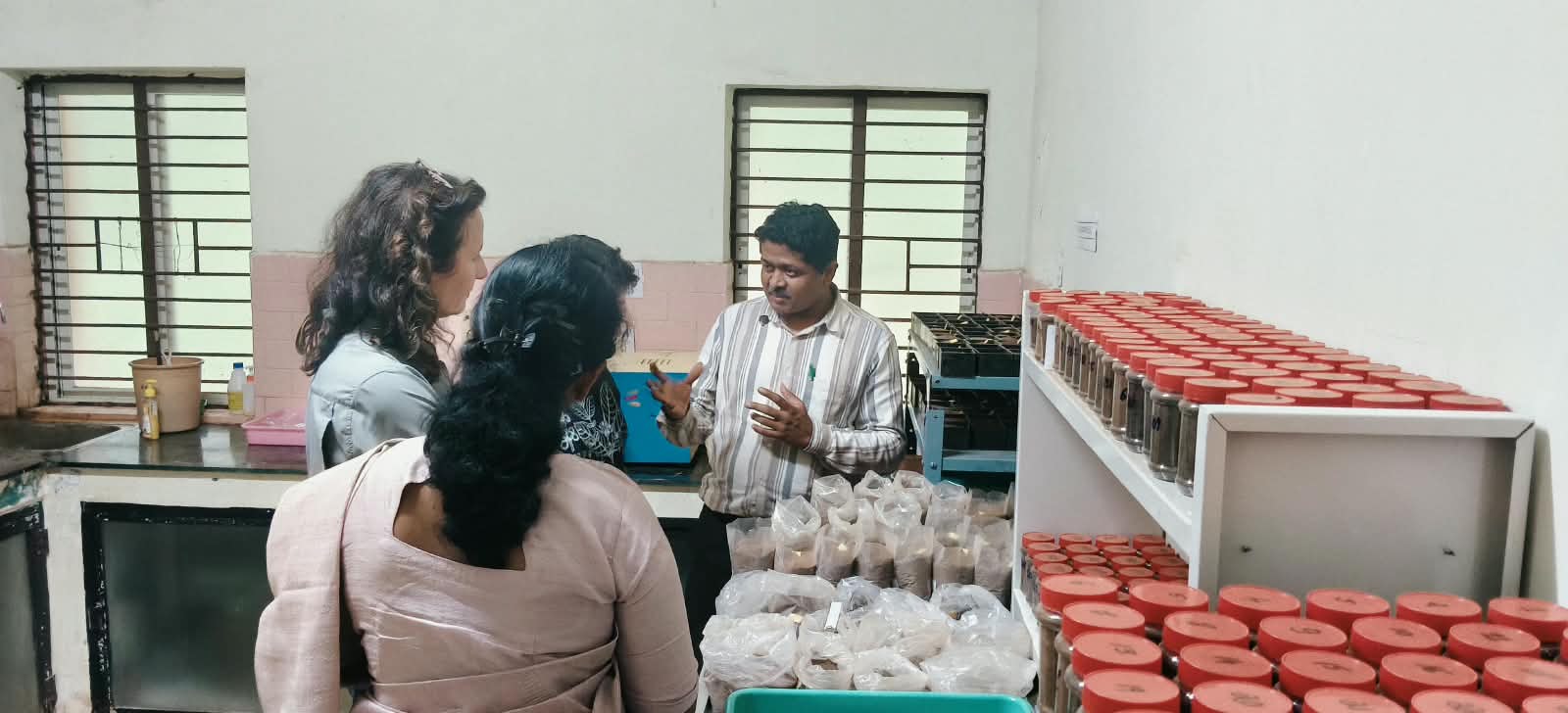
- The Station also undertakes assessment of the nutritional status of soils and provides recommendations on the application of macro and micro nutrient fertilizers based on soil test analysis report. Further, as and when required, the quality and authenticity of agricultural inputs such as lime, organic manures and other commercially available nutritional inputs are assessed to safeguard the interests of coffee growers.
- Development and refinement of technologies for sustainable coffee cultivation and effective transfer of proven technologies to coffee growers and other stakeholders for their wider adoption.
- Production and supply of quality planting materials and essential agronomic inputs, including pheromone traps and biological control agents, for the effective management of major pests and diseases affecting coffee.
- Provision of timely, location specific technical advisories to coffee growers of Kodagu, particularly in response to seasonal and emerging field problems.
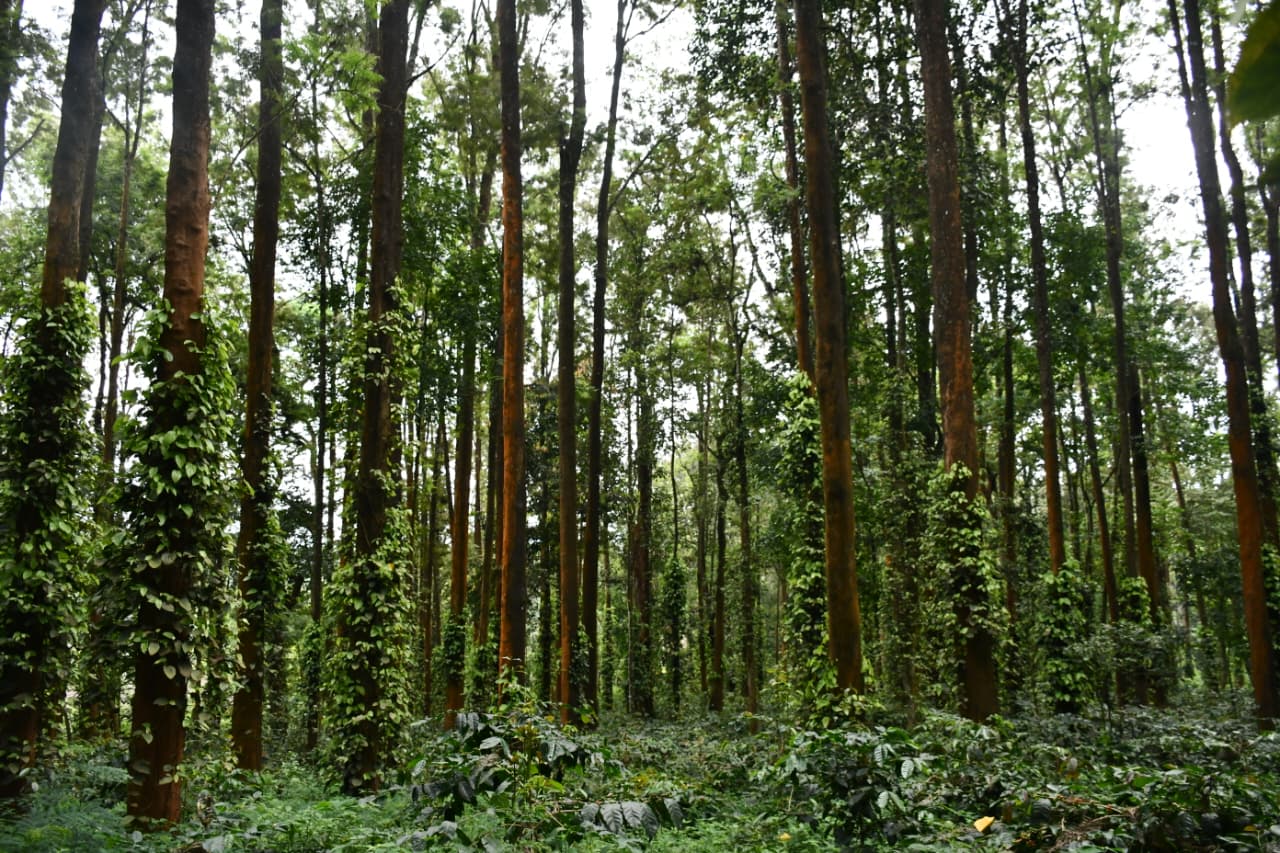
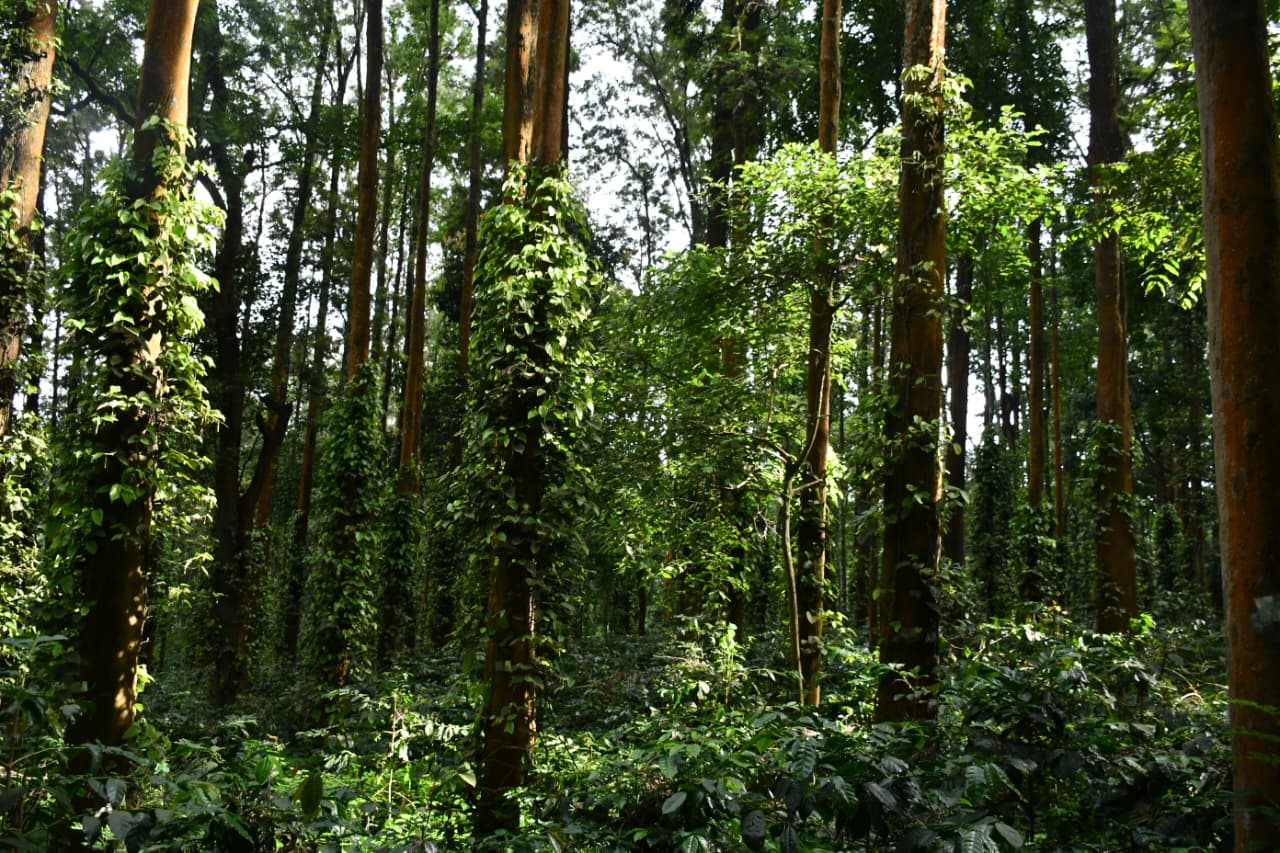
- Evaluation and promotion of suitable diversified and compatible crops in coffee based production systems. This is particularly important in Kodagu, where the prevailing agro-climatic conditions are favourable for the cultivation of several complementary crops such as Black Pepper, Orange, Avocado, Banana, Jackfruit and other suitable exotic fruit crops. Research and dissemination of information on such diversified cropping systems can help coffee growers enhance farm income, reduce production risks and improve economic resilience, particularly during periods of volatility in the global coffee market.
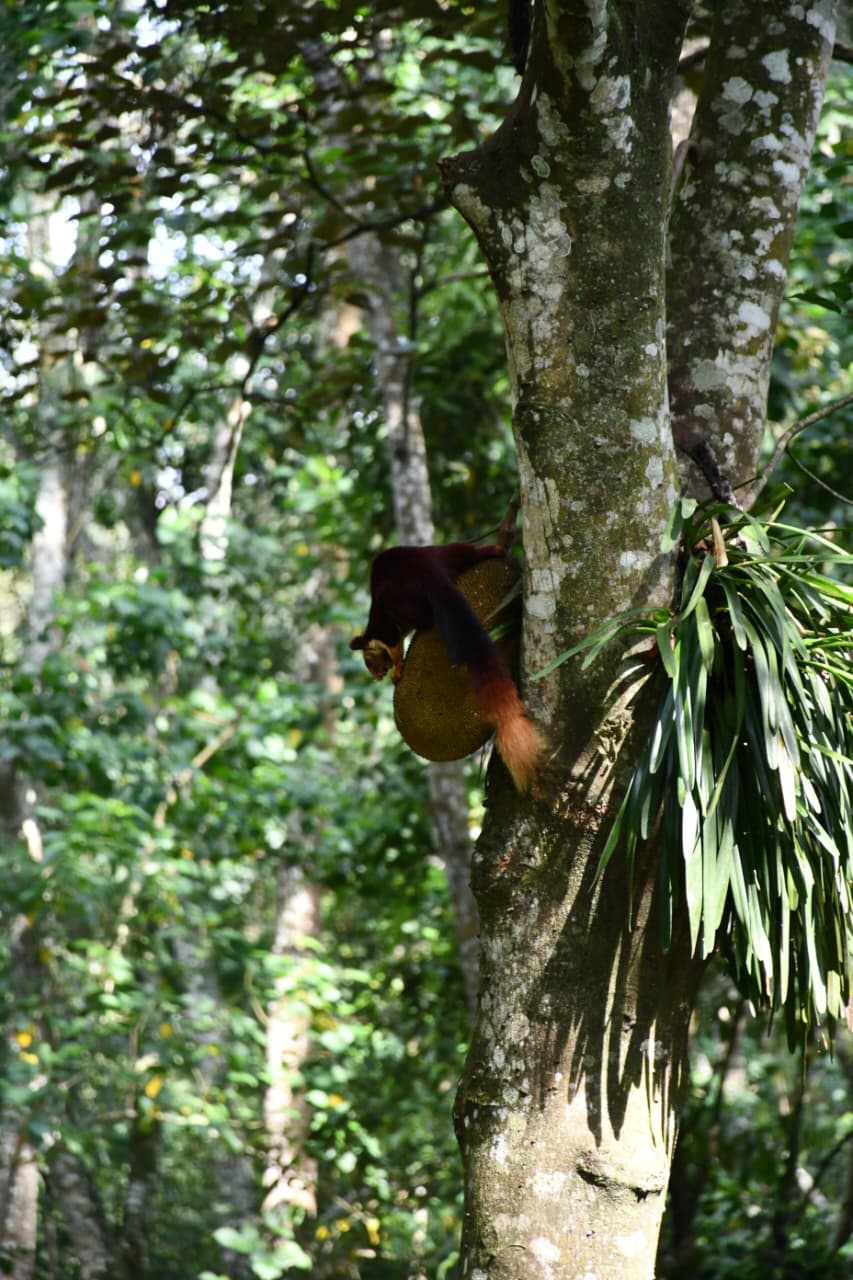
- Conservation and showcasing of the rich biological and cultural heritage of Kodagu, including its diverse flora and fauna, traditional agricultural practices and cultural heritage. The Station also serves as a demonstration platform for eco-friendly agroforestry systems and sustainable coffee cultivation to the entire world of coffee consumer, stake holder, researcher and traders of coffee industry.